
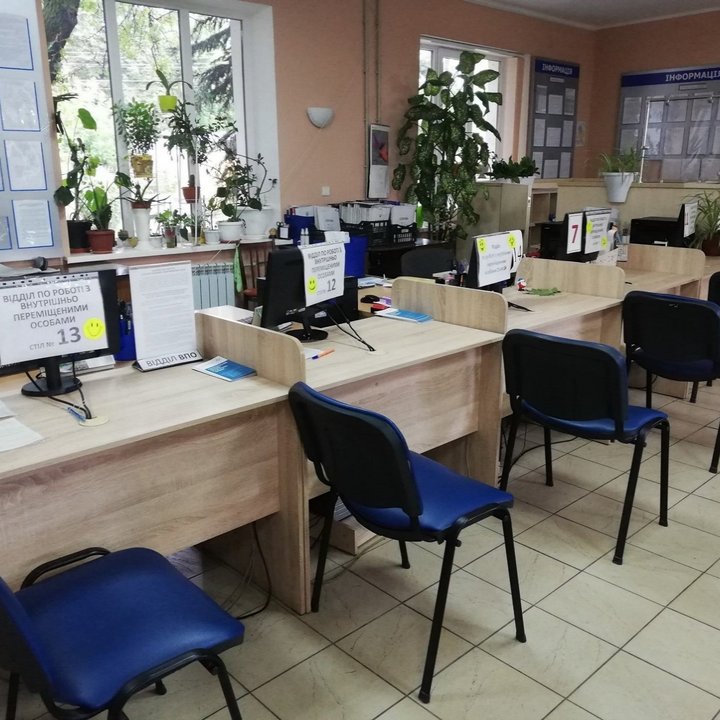
The project examines how state-citizen relations in Ukraine are being reconfigured under conditions of Russia’s full-scale invasion, mass displacement, and occupation. Using qualitative and ethnographic methods, it investigates how people enact, contest, and redefine citizenship in times of crisis.
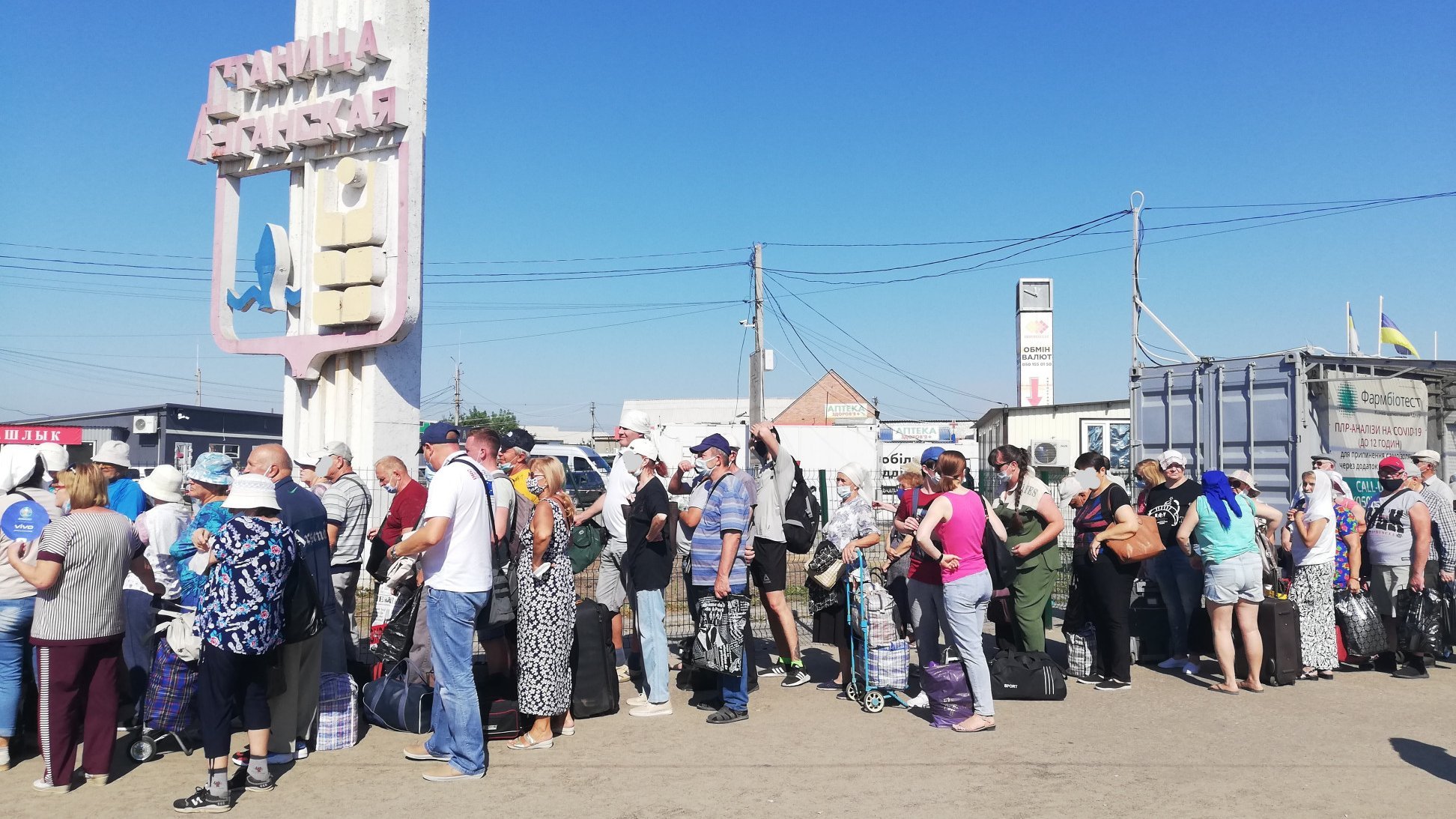
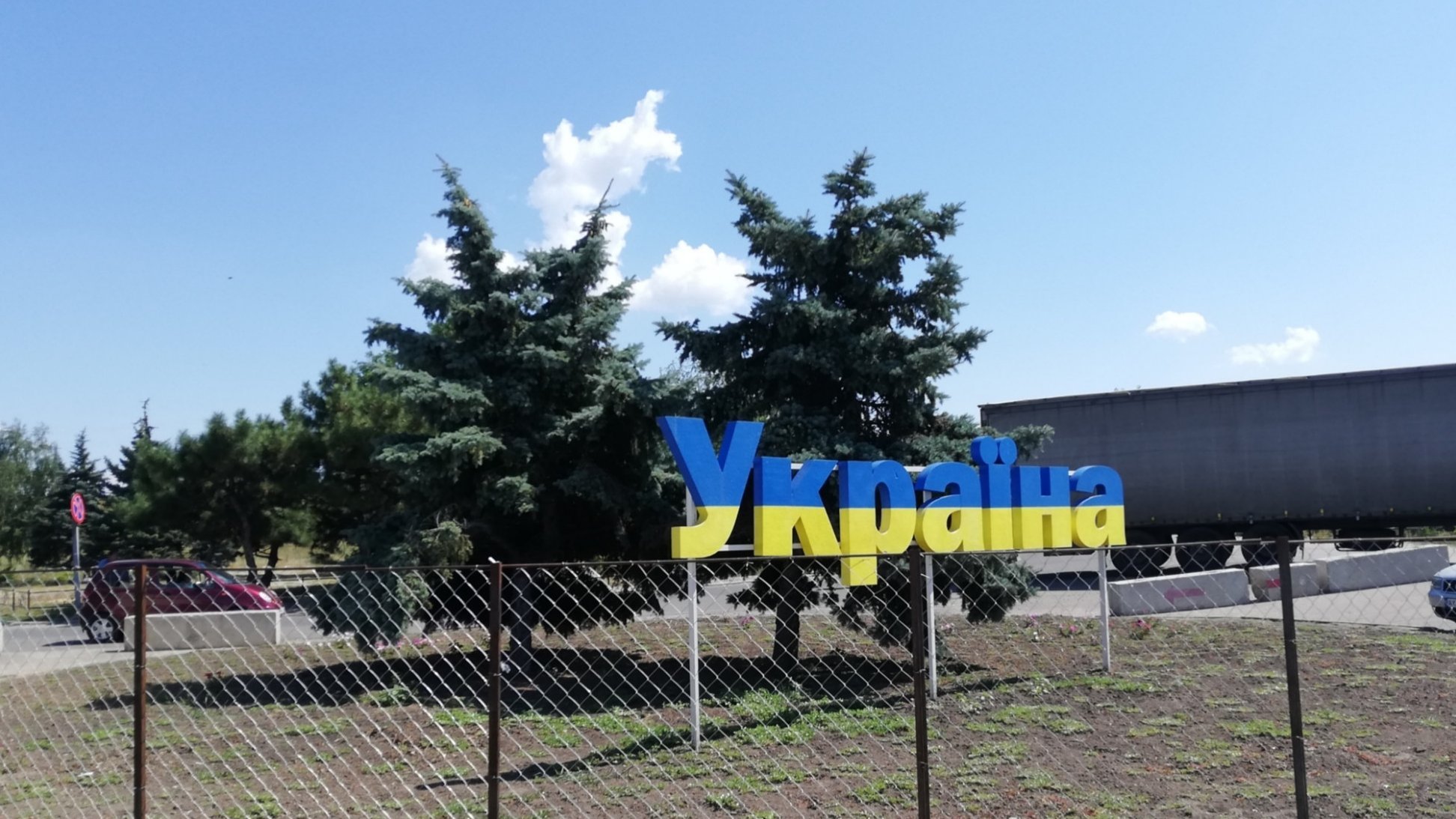
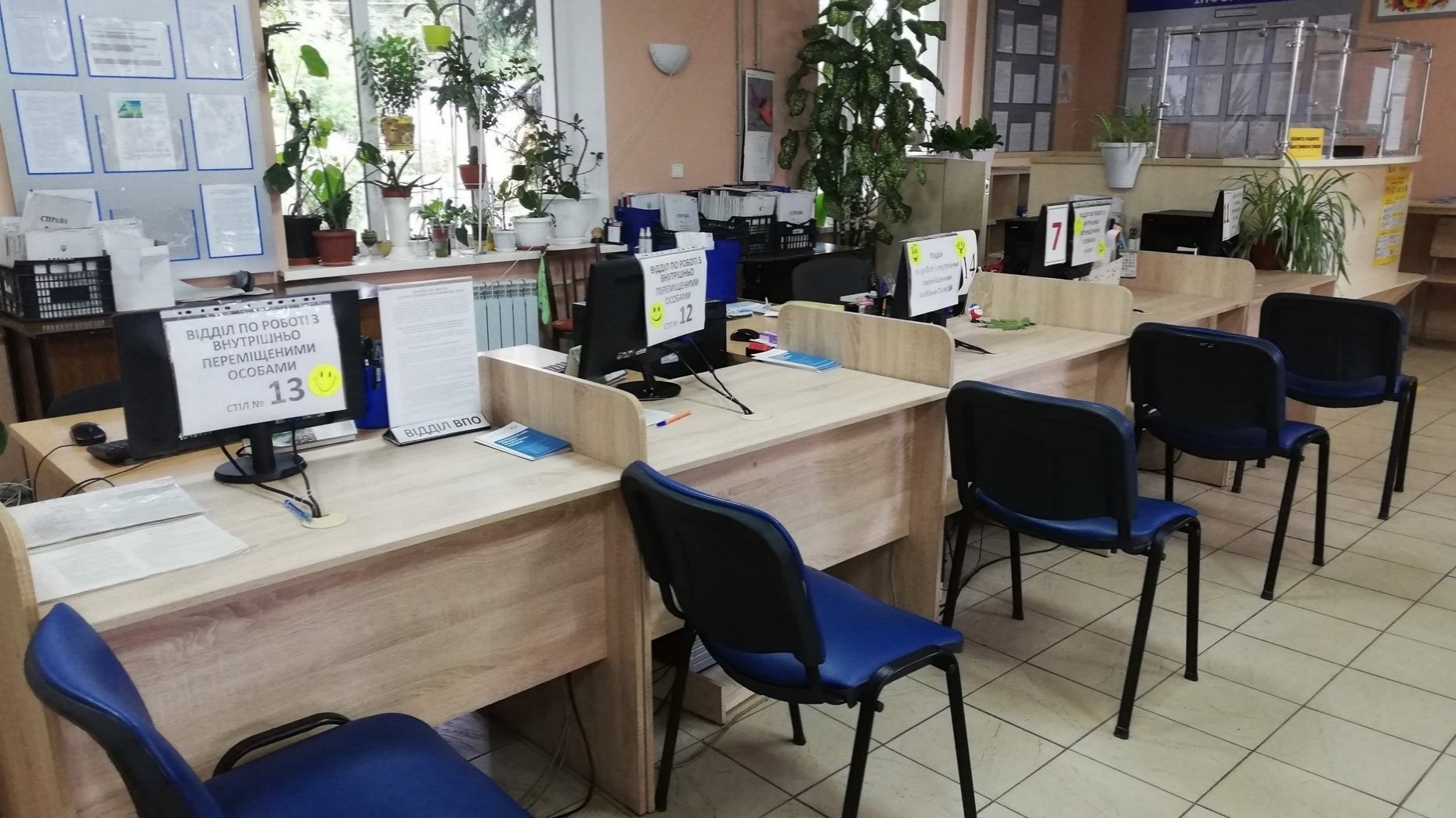
Since the beginning of Russia’s full-scale invasion of Ukraine on February 24, 2022, the Ukrainian state has faced severe challenges to its sovereignty, territorial control, and its ability to maintain meaningful relationships with citizens. As state institutions struggled to assert control, provide services, fulfill citizens’ rights, and stay connected with displaced populations and those living under occupation, Ukrainian citizens responded in diverse and often extraordinary ways.
This project explores how citizenship is being fundamentally reconfigured under such conditions of crisis. It focuses on three key encounters between the state and citizens: internally displaced persons, citizens who lived under occupation, and civic volunteers. Using qualitative methods - including in-depth interviews and ethnographic fieldwork - the research examines how individuals practice, negotiate, and contest citizenship during a sovereignty crisis. By drawing on critical citizenship studies, the project reveals how, even amid war, displacement, and institutional disruption, citizenship becomes a space of resilience, creativity, and political agency.
We are pleased to share that Dr. Oleksandra Tarkhanova will spend the upcoming term as a Visiting Scholar at the Minda de Gunzburg Center for European Studies at Harvard University. During her stay at CES, Dr. Tarkhanova will advance the project “Citizenship Constellations During Crisis of Sovereignty: Lived Experiences of Occupation in Ukraine". This visit will help to strengthen the direction of the project and build new academic collaborations. We look forward to the insights that will emerge!
The annual conference explores how social citizenship is being reshaped in the context of global mobility. Under the theme "Social Citizenship on the Move: Arenas, Actors and Practices of Social Rights within and beyond the State", the event brings together researchers examining how migrants, refugees, and other mobile groups negotiate rights, belonging, and access to welfare systems amid shifting political, economic, and environmental pressures. The conference highlights both state practices that regulate or restrict social rights and the everyday acts through which people on the move claim agency and challenge exclusion.
The Center for the Study of Transnational Families at the University Babes-Bolyai will hold an international conference in Romania on the 4-5-th November, where we will explore how Ukrainian families separated by war sustain care, solidarity, and interdependence across borders. Bringing together scholars of migration, displacement, and family studies, it examines transnational family life through the lens of co-agency, focusing on how those who leave and those who stay actively shape one another’s lives. Dr. Oleksandra Tarkhanova will contribute to the workshop sessions as well as take part in the roundtable on “The Challenges of Being a Ukrainian Scholar in Times of War,” which offers space for reflection on the academic and personal dimensions of research during wartime.
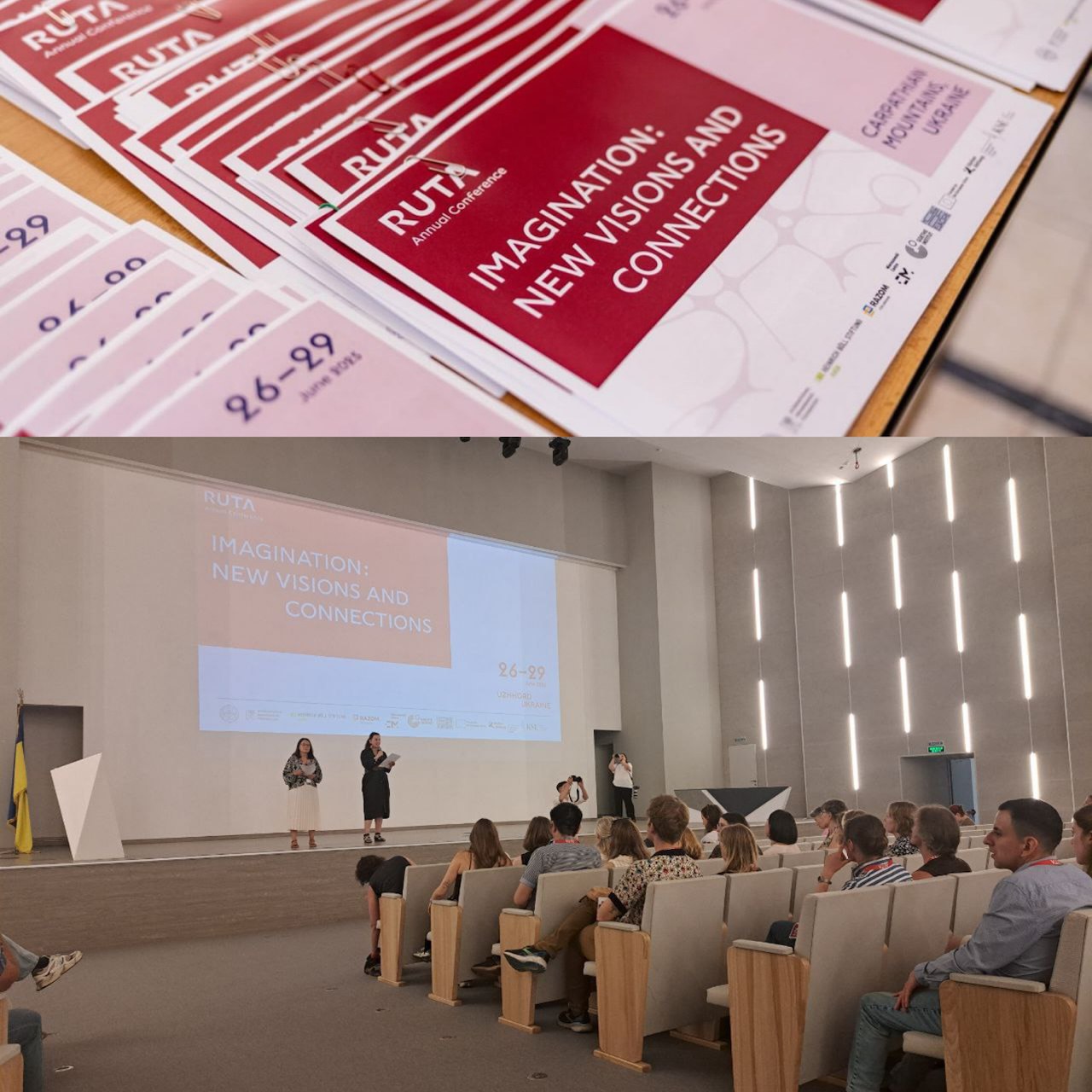
The panel “Limits to Citizenship and Unequal Citizenship Constellations in the Context of Forced Migration and Displacement” at RUTA 2025 brought together researchers exploring how war, mobility, and inequality reshape what it means to be a citizen. Focusing on the Ukrainian context, the discussion examined how displacement and state policies produce new hierarchies of belonging and exclusion.
Dr. Oleksandra Tarkhanova presented “Citizenship attachments, disruptions, and acts: Internal displacement in Ukraine from 2014 until now,” examining how internally displaced persons navigate belonging and negotiate their membership in the state. Other papers addressed exclusion and mobility inequalities; moderated by Dr. Kamila Fiałkowska, the panel highlighted how forced migration exposes and transforms unequal citizenship constellations across Europe.
On the 14th and 15th of April, the Centre of Migration Research, University of Warsaw, hosted the third onsite seminar of ROCIT (Unequal Citizenship and Transnational Mobilisation of Polish, Czech and Ukrainian Roma in the Face of the War in Ukraine) with project partners from the Institute of Ethnology of the Czech Academy of Sciences (Etnologický ústav AV ČR) and the Faculty of Arts of the Charles University (Prague) (Filozofická fakulta Univerzity Karlovy). Dr. Oleksandra Tarkhanova participated as a guest speaker on the topic "Citizenship negotiations in Ukraine since 2014: Internal displacement and occupation". You can find the ROCIT Meeting Agenda here.

Dr. Oleksandra Tarkhanova leads the research project “Radical Reconfiguration of State-Citizen Relations in Ukraine”, funded by the SNSF Ambizione Grant. A sociologist specializing in qualitative and ethnographic research, she focuses on citizenship, displacement, and gender relations in Ukraine. She is also an associate researcher at the University of Neuchâtel for the NCCR-on-the-move project, “Dealing with Crises and Liminal Situations: The Agency of Ukrainian and Syrian Forced Migrants in Three National Contexts”. Dr. Tarkhanova earned her PhD in sociology from Bielefeld University, an MA in gender studies from Lund University, and a BA from the National University of “Kyiv-Mohyla University”. Her book, Compulsory Motherhood, Paternalistic State? Ukrainian Gender Politics and the Subject of Woman, was published by Palgrave in 2021.
Olena Strelnyk holds a Dr. habil. degree in Sociology from Taras Shevchenko National University of Kyiv. She is the author of Турбота як робота: Материнство у фокусі соціології (Childcare as Work: A Sociological Perspective on Mothering), Kyiv, 2017, as well as more than 100 scholarly and popular science publications on gender inequality, motherhood and care work, gender and citizenship, and the impact of war on women, gender roles, and feminism in Ukraine. Olena is a senior researcher at the Institute of Sociology of the National Academy of Sciences of Ukraine and a research fellow at the Centre for East European and International Studies (ZOiS, Berlin, 2024–2025).
PhD in Sociology, Senior Research Fellow in the Department of Social Anthropology (The Ethnology Institute, National Academy of Sciences of Ukraine). She was a research analyst in the projects: "WARPATH: stories of the rescue of people with disabilities during the full-scale Russian invasion of Ukraine", "Art for all: the situation with observance for the cultural rights of people with disabilities in Ukraine", "You can believe: the history of people with disabilities from 1945 to 2020 (Germany, Ukraine)", "Be the first: stories of civil activists for the rights of people with disabilities due to intellectual disabilities in Ukraine in the 1990s", and other. Co-author of the book "History is not without us: the formation of the movement for the rights of people with disabilities in Ukraine" (in Ukrainian). Scientific interests: social (in)justice, disability studies, intellectual disability studies.
Ernest Hbur is currently pursuing a Master of Arts in Social Sciences at the University of Zurich, specializing in Political Science with a focus on democracy, development, and international relations. He holds a Bachelor’s degree in International Relations, Social Communication and Regional Studies with a specialization in European Studies from Taras Shevchenko National University of Kyiv. During his master’s studies at the University of Zurich, he also spent a year as an exchange student at Shanghai Jiao Tong University in China. His academic interests are international relations, conflict and peacebuilding studies. Alongside his studies, he works as an intern/volunteer at the Embassy of Ukraine in Switzerland and actively engages with Ukrainian and international NGOs, serving as an analyst, interpreter, translator, and co-organizer of academic events.
Taisia Vedunova holds a BA in International Affairs from the University of St.Gallen and is currently completing her Master's in International Affairs and Governance with a specialization in Business and Public Policy. Her academic and professional interests center around the intersection of political and economic (inter-)state relations, political economy, and good governance. She contributed to the project between October 2024 and June 2025 as a research assistant.
Strelnyk, O., & Phillips, S. D. (2025). ‘Either fight or pay taxes’: constructing citizenship in the context of Russia’s war on Ukraine and its gender implications. Innovation: The European Journal of Social Science Research, 38(1), 169–192. https://doi.org/10.1080/13511610.2025.2466774
Tarkhanova, O. (2023). No longer a citizen: Dispossession in Eastern Ukraine. In C. Wanner (Ed.), Dispossession: Anthropological Perspectives on Russia’s War Against Ukraine (1st ed., pp. 82-99). Routledge. https://doi.org/10.4324/9781003382607-6
Tarkhanova, O. (2023). Shades of protracted displacement: reconciling citizenship and the status of internally displaced in Eastern Ukraine. Journal of Ethnic and Migration Studies, 49(19), 4809–4827. https://doi.org/10.1080/1369183X.2023.2232556
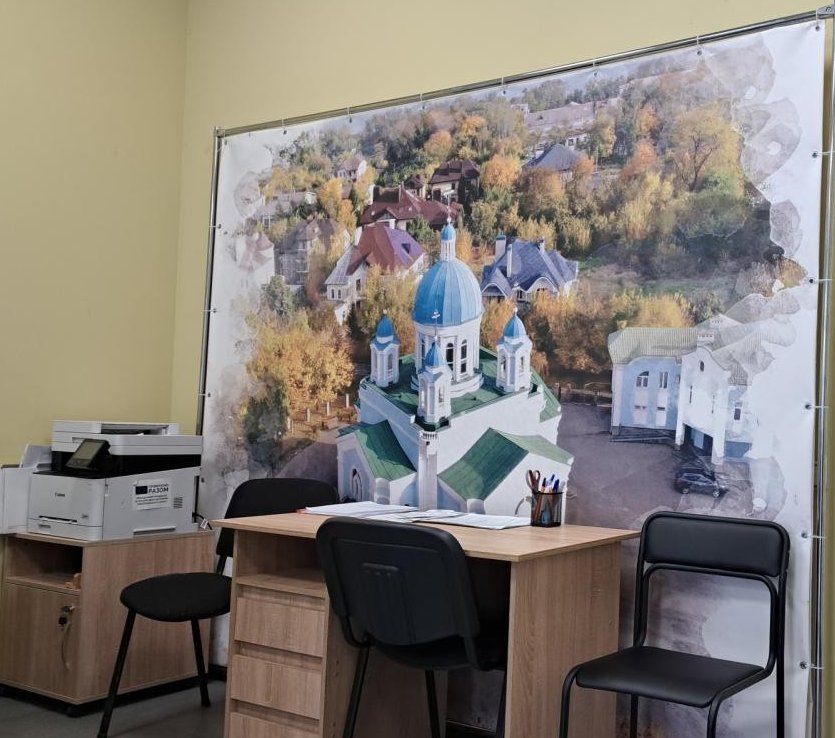
The project, “Radical Reconfigurations of State-Citizen Relations in Ukraine,” focuses on how citizenship relations are contested and transformed under conditions of critical challenges to state sovereignty, namely mass internal and external displacement, occupation, and changing civil society. This is a four-year project, funded by the Swiss National Science Foundation through an Ambizione Grant, with extensive fieldwork in Ukraine and, partially, in Switzerland. The research team is based in both countries, with Dr. Oleksandra Tarkhanova (the PI) and Ernest Hbur in St. Gallen and Dr. Olena Strelnyk and Dr. Hanna Zaremba-Kosovych in Ukraine.
The team is conducting interviews and ethnographic observations to capture how meanings attached to citizenship change and, in particular, how they are enacted and practiced both in routine encounters with the state and through transformative acts of citizenship (Isin 2008; 2017) during radical societal transformations in post-2022 Ukraine.
Theoretically, the project is positioned within critical citizenship studies, relying on a performative perspective on citizenship developed by Isin (2008; 2017), as well as on feminist state theory. Conceptually, we focus on citizenship practices and acts (Isin & Nielsen 2008) during state-citizen encounters (Humphris 2019), which transform senses of citizenship (Oosterom 2016; Fortier 2016).
The project is structured around three types of broadly defined encounters: between the state and IDPs/refugees, people in and from occupied territories, and active citizens. This choice of encounters entails conducting interviews with displaced persons, including those from occupied territories, both internally and abroad, as well as with activists or volunteers. In addition to in-depth interviews with these groups of citizens, we conduct non-participant observations at state institutions that provide financial and administrative assistance to internally displaced persons, and interview street-level bureaucrats at these institutions.
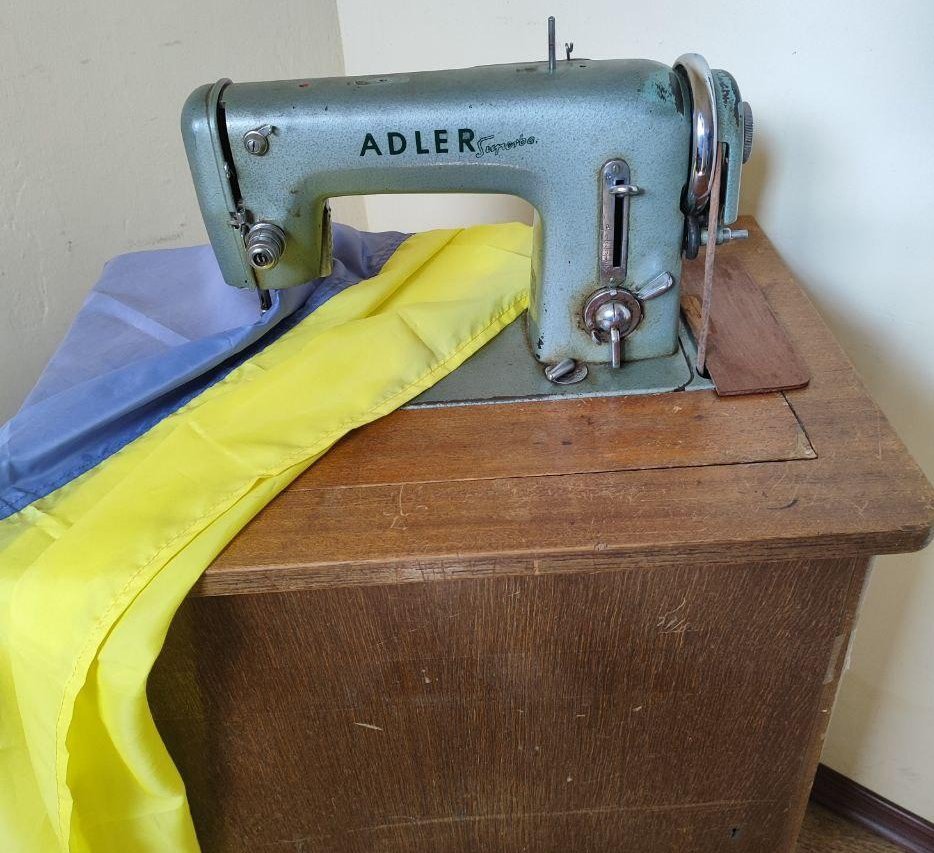
At the start of 2026, the project is in its second year. The team has collected around a hundred interviews and spent weeks conducting observations in Lviv, Poltava, Dnipro, Kyiv, and smaller towns and villages in these four regions of Ukraine, as well as abroad. The collected material is currently being transcribed and coded in Atlas.ti, using a mix of theoretical and inductive coding. The first insights from the data analysis will be presented in Spring 2026 at the Minda de Gunzburg Center for European Studies at Harvard University, the Byrnes Institute at Indiana University, and the Havighurst Center at Miami University.
On May 21–22, 2026, more results will be presented at the Annual Spring Conference of the Section “Migration and Ethnic Minorities” of the German Sociological Association, co-organized by Dr. Oleksandra Tarkhanova, titled “Social Citizenship on the Move. Arenas, Actors and Practices of Social Rights within and beyond the State.”